Living in Colorado means dealing with a unique set of challenges for your home. You track in snow during the winter and grit during the summer. Your kitchen floor takes the brunt of all this abuse. It has to handle dropped pots, spilled drinks, and occasionally, the constant pitter patter of muddy paws.
Finding a floor that looks good and actually lasts here is a tall order. You cannot just pick whatever is trending on social media. You need materials that stand up to our drastic temperature swings and low humidity. This guide breaks down the specific flooring choices that work best for the Centennial State lifestyle. We want you to love your kitchen for years to come.
Understanding Colorado Climate Impact on Floors
Our climate is aggressive toward standard building materials. The biggest culprit is the lack of moisture in the air. Extremely low humidity levels cause organic materials to shrink and become brittle. Solid wood planks often gap or cup when the air gets too dry. You might notice your doors sticking in the summer and showing light through the cracks in winter. Your floors go through the same stress.
Rapid temperature changes also wreak havoc on flooring installation. When temps can swing forty degrees in a single day. Materials expand and contract as the temperature shifts. If your installer does not leave the right expansion gaps, your beautiful new floor could buckle or warp. It happens more often than you think.
Then there is the issue of what we bring inside. Mud season is a real thing here. We track in magnesium chloride and sand from the roads all winter long. These abrasive particles act like sandpaper on your floor finish. You need a surface that is scratch resistant and tough enough to handle the grit.
1. Hardwood for Style
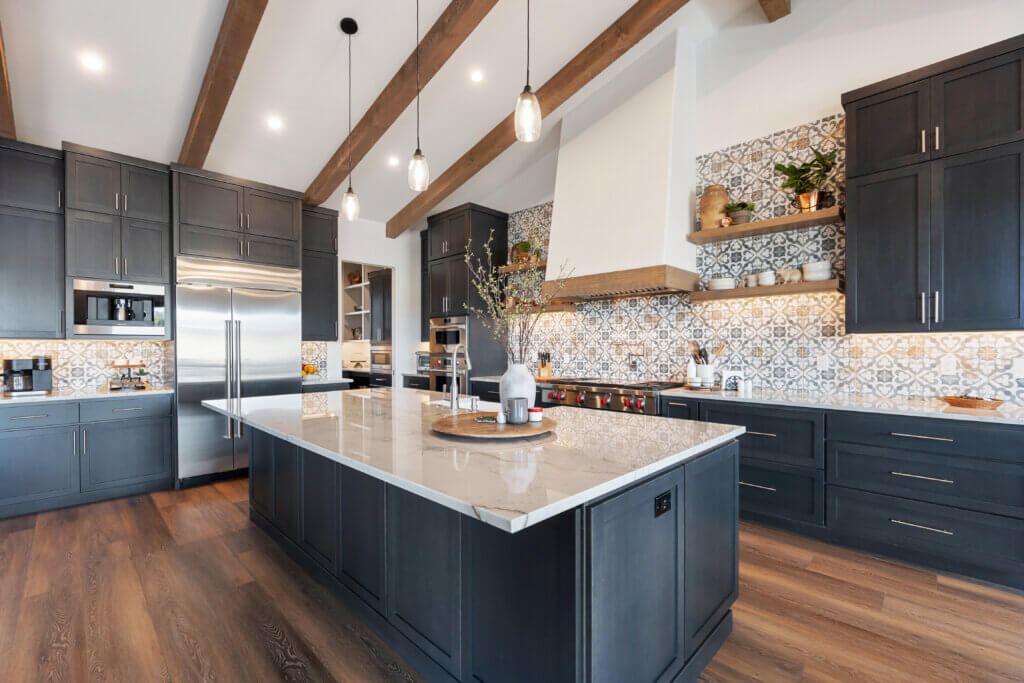
Many homeowners dream of real wood in the kitchen. It adds warmth and significantly boosts home value. However, solid hardwood is risky in our dry climate. Engineered hardwood is the smarter alternative. It gives you the genuine wood layer on top but uses a plywood core underneath.
That cross layered core provides structural stability. It prevents the plank from twisting or shrinking as much as solid wood does. The layers run perpendicular to each other to hold the plank flat. You get the beauty of oak or walnut without the constant worry about gaps appearing between the boards.
This stability makes engineered hardwood a great candidate for radiant heating systems. Many Colorado homes use radiant heat to keep toes warm during snowstorms. Solid wood blocks that heat or dries out too fast. Engineered planks let the heat transfer through efficiently. It handles the thermal stress much better.
You still need to be careful with water. Engineered wood is more stable than solid, but it is not waterproof flooring. You should wipe up spills immediately. Proper hardwood acclimation before installation is non negotiable. The wood needs time to adjust to your home’s humidity before it gets nailed or glued down.
2. Vinyl Plank for Durability
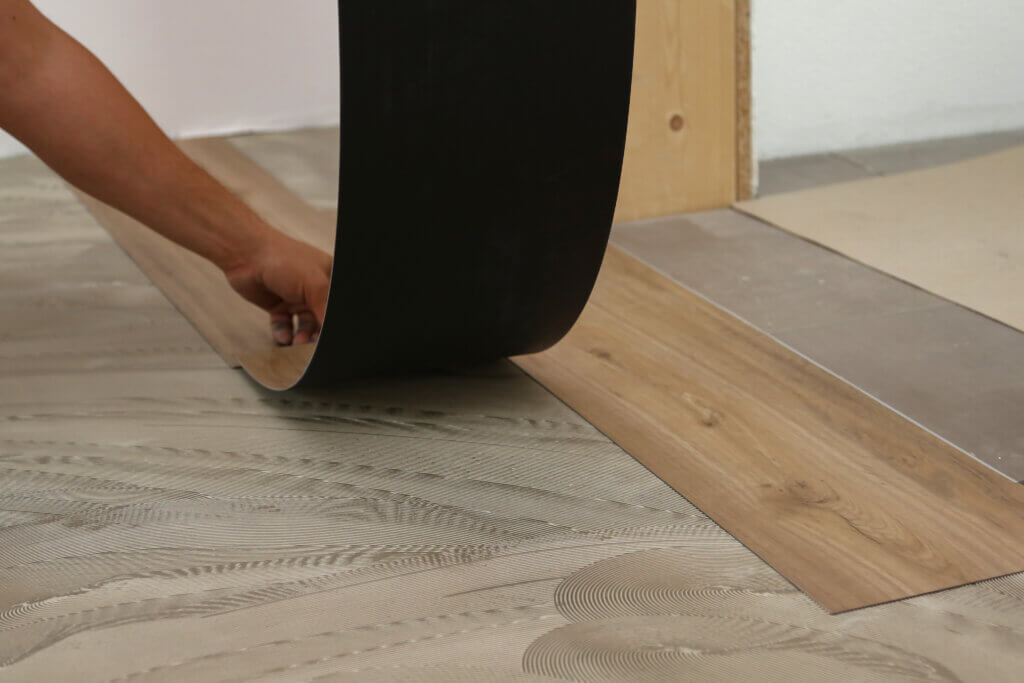
Luxury vinyl plank (LVP) has taken the market by storm for good reason. It is arguably the most practical choice for a busy Colorado household. The technology has improved so much that it is often hard to tell it apart from real wood. You get the texture and grain patterns without the fragility.
The biggest selling point is that LVP is 100% waterproof. You can have a dishwasher leak or a spilled dog bowl without ruining the floor. The planks do not swell or buckle when exposed to moisture. This peace of mind is huge for families with young kids or pets. It is the ultimate worry free option for a kitchen renovation.
LVP is also softer underfoot than tile or stone. It has a bit of give which makes standing at the stove for an hour much more comfortable. It stays warmer than ceramic tile too. You do not get that shock of cold when you walk in for your morning coffee.
Durability is where this material shines. It is incredibly scratch resistant. The wear layer on top protects against claws and furniture legs. Installation is generally faster and cleaner than other options. We can often install it over existing floors if they are flat enough. It is a cost effective way to get a high end look.
3. Porcelain Tile for High Traffic Areas
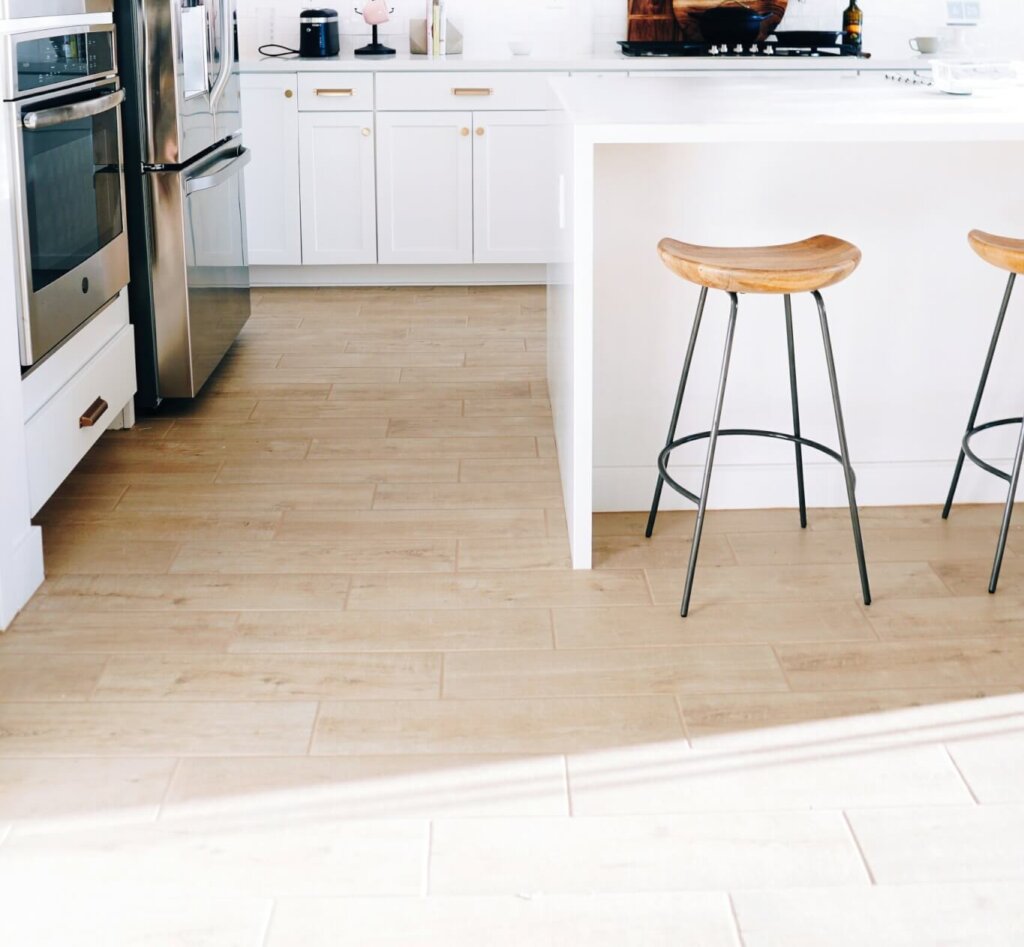
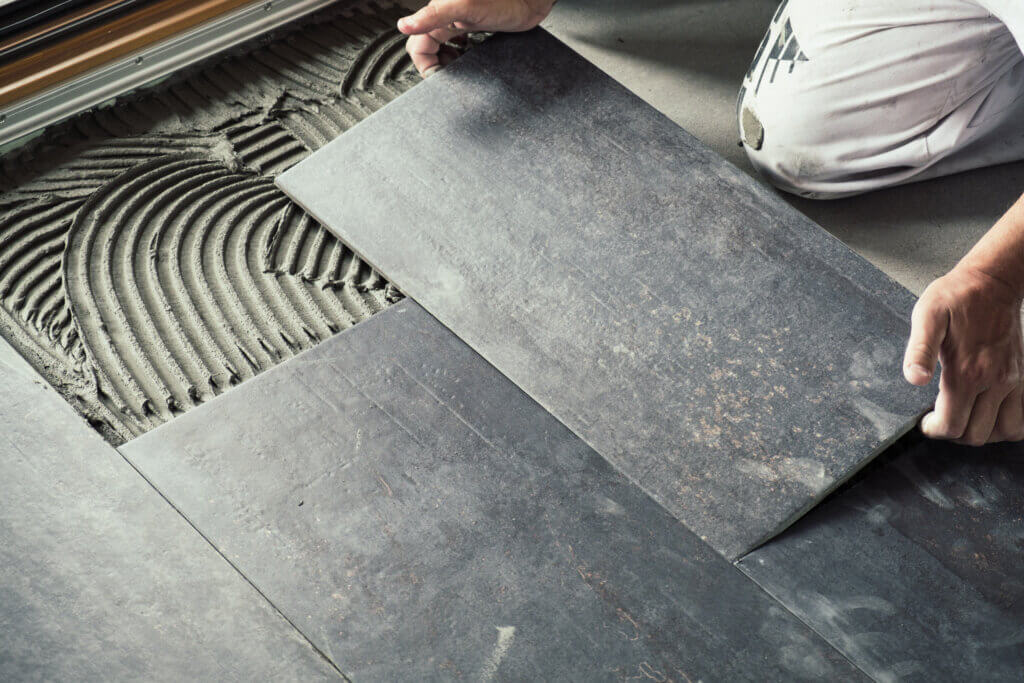
Porcelain tile is the tank of the flooring world. It is fired at extremely high temperatures to become dense and hard. This process makes it impervious to water and incredibly difficult to scratch or chip. If you have a kitchen that sees heavy foot traffic day in and day out, this is your answer.
Design options with porcelain are limitless. You can find tiles that mimic natural stone, concrete, or even wood. The printing technology creates realistic patterns that do not repeat often. You can achieve a specific interior design aesthetic without sacrificing performance. It works for modern farmhouses and sleek contemporary condos alike.
One major benefit for our area is how well tile handles radiant floor heat. Porcelain conducts heat beautifully. Your floor becomes a giant radiator that warms the entire room evenly. It feels luxurious on bare feet in the middle of January.
You do have to think about the hardness. Dropped dishes will break instantly. Standing for long periods can be tough on your joints. We often recommend placing padded mats near the sink and stove. Also, pay attention to the grout. Use a high quality stain resistant grout to keep maintenance low.
4. Natural Stone for Mountain Aesthetics
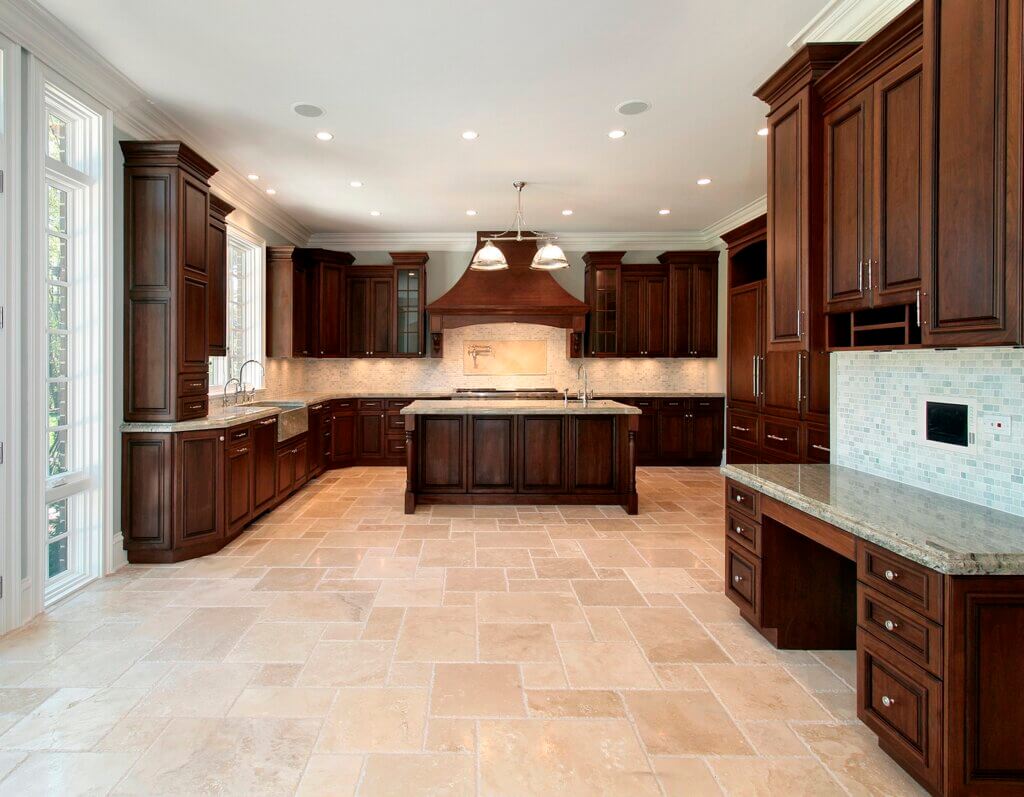
Nothing beats the character of natural stone for a true mountain home feel. Slate flooring, travertine, and limestone bring an earthy element indoors that connects your home to the landscape. Each piece is unique. You will never see the exact same vein or color variation twice.
Stone creates a high value look that never goes out of style. It signals quality to anyone who enters the home. Slate is particularly popular here because of its texture and rich color palette. It hides dirt well and provides natural traction. You are less likely to slip if you come in with wet boots.
However, stone requires more love than other materials. It is porous by nature. You must keep up with grout sealing and stone sealing to prevent stains. Oil or wine can leave a permanent mark if the sealant wears off. It is a maintenance commitment that you need to be ready for.
The cost is also a factor. Stone flooring materials and labor are generally higher than LVP or engineered wood. The installation takes time and skill to get right. The subfloor needs to be perfectly stiff to prevent the stone from cracking. But for those who want that authentic rugged look, the effort is worth it.
Ready to Upgrade Your Kitchen?
Choosing the right floor is about balancing your style with the realities of our environment. You need a partner who understands both design and construction. At Adai Construction, we help you navigate these choices to find the perfect fit for your home and budget.
Schedule a free Consultation to look at flooring samples in your home.